
Air quality hazards
July 9, 2023
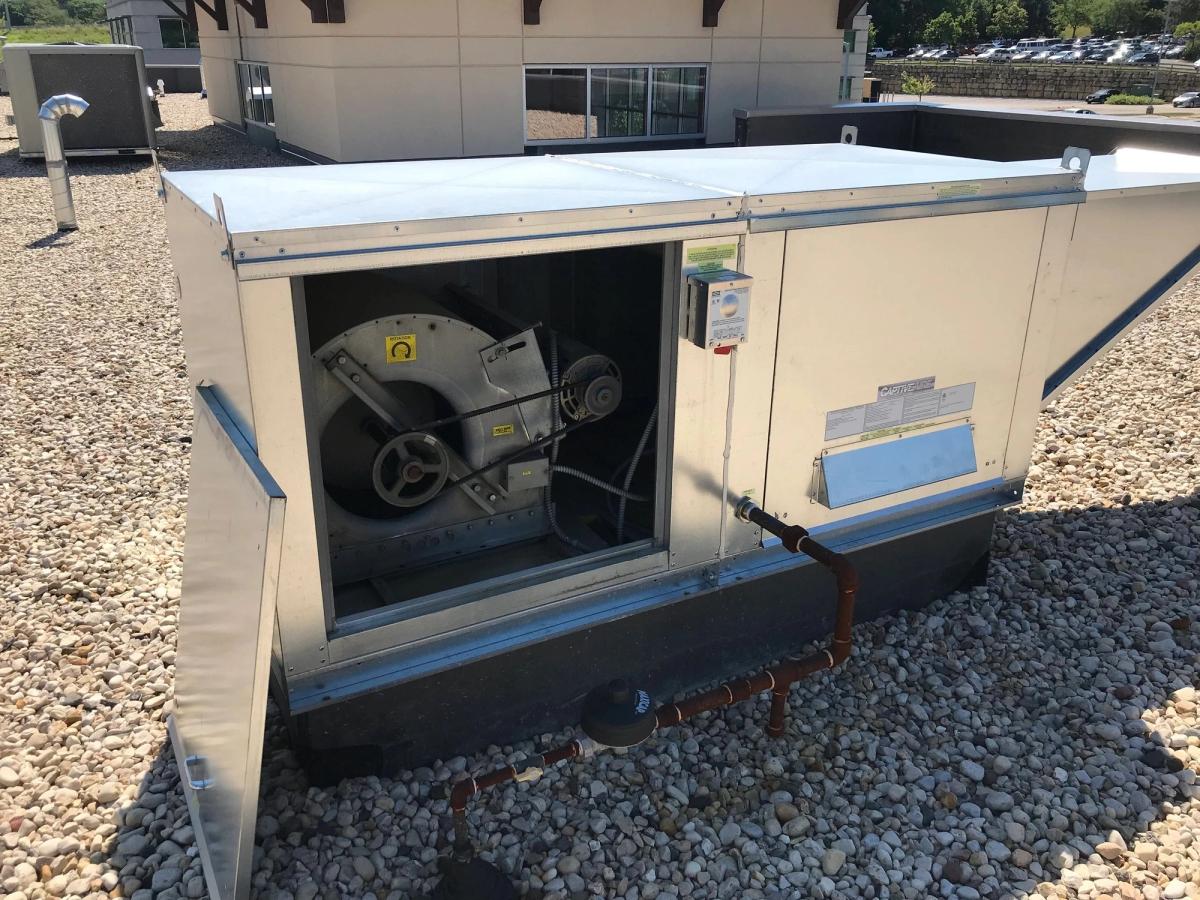
Title: Potential Air Quality Hazards for Structures and Buildings
Introduction:
Air quality is a critical aspect of indoor environmental health, as individuals spend a significant amount of time in buildings. Poor air quality can lead to various health issues and discomfort among occupants. This report aims to identify and discuss potential air quality hazards commonly found in structures within buildings.
1. Volatile Organic Compounds (VOCs):
VOCs are organic chemicals emitted as gases from certain solids or liquids. Common sources of VOCs in buildings include building materials, furniture, cleaning products, and paints. Prolonged exposure to high levels of VOCs can cause eye, nose, and throat irritation, respiratory issues, and even long-term health effects.
2. Particulate Matter (PM):
PM refers to tiny particles suspended in the air, such as dust, pollen, and smoke. These particles can be introduced into buildings through outdoor air infiltration or generated indoors by activities like cooking or smoking. Fine PM, known as PM2.5, can penetrate deep into the respiratory system and pose serious health risks, particularly for individuals with respiratory conditions.
3. Mold and Moisture:
Excessive moisture in buildings can lead to mold growth, which releases spores into the air. Mold spores can cause allergic reactions, respiratory problems, and even trigger asthma attacks. Areas prone to moisture issues include bathrooms, basements, and areas with plumbing leaks or inadequate ventilation.
4. Carbon Monoxide (CO):
CO is a colorless, odorless gas produced by the incomplete combustion of fuels like gas, oil, or coal. It can leak from malfunctioning or poorly maintained combustion appliances, such as furnaces, water heaters, or stoves. High levels of CO can be life-threatening, leading to headaches, dizziness, nausea, and even death.
5. Radon:
Radon is a naturally occurring radioactive gas that can seep into buildings through cracks in the foundation or walls. Prolonged exposure to elevated levels of radon increases the risk of lung cancer. Testing for radon levels is crucial, especially in areas with high radon potential.
6. Formaldehyde:
Formaldehyde is a colorless gas emitted by various building materials, such as pressed wood products, adhesives, and insulation. Prolonged exposure to formaldehyde can cause irritation of the eyes, nose, and throat, and may even lead to respiratory issues and cancer.
7. Asbestos:
Although no longer used in construction, older buildings may still contain asbestos in insulation, flooring, or ceiling tiles. When disturbed, asbestos fibers become airborne and can cause serious respiratory diseases, including lung cancer and mesothelioma.
Conclusion:
Maintaining good indoor air quality is crucial for the health and well-being of building occupants. Identifying potential air quality hazards in structures within buildings, such as volatile organic compounds, particulate matter, mold, carbon monoxide, radon, formaldehyde, and asbestos, is essential for effective mitigation strategies. Regular inspections, proper ventilation, use of low-emission materials, and prompt remediation of any issues are key to ensuring a healthy indoor environment.
keywords:
1. Duct cleaning service
2. Duct cleaning near me
3. Professional duct cleaning
4. Residential duct cleaning
5. Commercial duct cleaning
6. Affordable duct cleaning
7. Best duct cleaning service
8. Duct cleaning specialists
9. Expert duct cleaning
10. HVAC duct cleaning
11. Air duct cleaning service
12. Duct cleaning company
13. Duct cleaning professionals
14. Duct cleaning cost
15. Benefits of duct cleaning
16. Importance of duct cleaning
17. Signs of dirty ducts
18. Duct cleaning process
19. Duct cleaning equipment
20. Duct cleaning tips
21. Mold and allergen removal
22. Improving indoor air quality
23. Dust and debris removal
24. Eliminating musty odors
25. Preventing respiratory issues
26. Energy efficiency through duct cleaning
27. Long-term savings with clean ducts
28. Professional duct inspection
29. Proper duct maintenance
30. Eco-friendly duct cleaning methods
31. Removing pet dander and hair from ducts
32. Enhanced HVAC system performance
33. Sanitizing ductwork
34. Removing bacteria and viruses
35. Reducing allergens in the home
36. Preventing clogged ducts
37. Extending the lifespan of your HVAC system
38. Timely duct cleaning for optimal performance
39. Seasonal duct cleaning services
40. Expert advice for duct cleaning and maintenance
41. Duct cleaning for asthma and allergy relief
42. Removing built-up dirt and debris from ducts
43. Improving airflow and ventilation
44. Removing rodent droppings and nesting materials from ducts
45. Eliminating unpleasant odors from ducts
46. Preventing fire hazards caused by clogged ducts
47. Removing construction debris from newly built or renovated homes
48. Increasing the efficiency of air filters
49. Reducing the need for frequent filter replacements
50. Professional cleaning of dryer vents for fire prevention.